How Blues Traditions Shaped the Sound of Americana Music
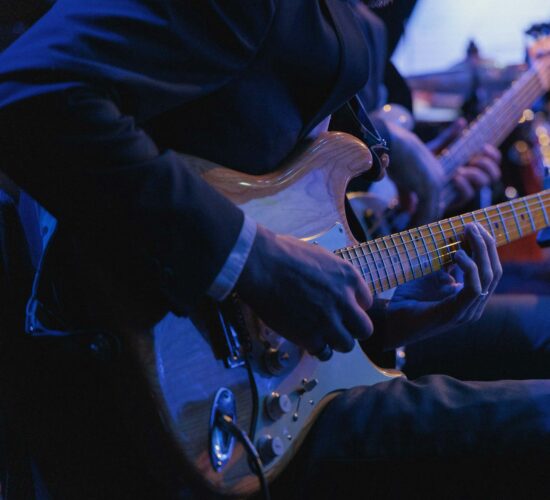
American music carries a rich history of cultural exchange, personal expression, and evolving traditions. Among the many genres that helped shape the nation’s musical identity, blues holds a particularly important place. Its emotional storytelling, expressive melodies, and distinctive rhythms have influenced generations of musicians. Over time, these elements became essential parts of Americana music, a genre that brings together sounds from blues, folk, country, gospel, and roots rock.
Although Americana draws inspiration from several musical traditions, blues provides much of its emotional depth and musical character. From heartfelt lyrics to expressive guitar techniques, the influence of blues continues to connect modern Americana artists with the musical experiences of earlier generations.
The Historical Roots of Blues and Americana
Blues music emerged from African American communities in the southern United States during the late nineteenth and early twentieth centuries. Musicians developed the style through work songs, spirituals, field hollers, and other forms of African American musical expression. These traditions emphasized personal experiences, emotional honesty, and creative freedom.
As blues spread across the country, it influenced other American musical styles. Meanwhile, rural folk and country musicians developed their own approaches to storytelling and instrumental performance. Through recordings, radio broadcasts, and live performances, these traditions gradually interacted. Consequently, Americana inherited a diverse musical foundation that reflects different communities and cultural experiences.
Emotional Storytelling Became a Shared Musical Language
One of the strongest connections between blues and Americana involves storytelling. Early blues musicians frequently explored hardship, love, separation, hope, and personal struggles. Rather than relying on complicated language, they communicated powerful emotions through direct lyrics and memorable melodies.
Similarly, Americana artists often build songs around everyday experiences and meaningful personal stories. They describe relationships, family histories, changing communities, and the search for belonging. As a result, both genres create strong emotional connections with listeners. This shared commitment to sincere storytelling remains one of the most recognizable characteristics of Americana music.
Blues Guitar Techniques Expanded Americana’s Sound
Blues musicians developed distinctive guitar techniques that significantly influenced American roots music. String bending, sliding notes, fingerpicking, and expressive phrasing allowed guitarists to create sounds that closely resembled the human voice. These techniques gave performers greater freedom to communicate emotion through their instruments.
Over time, Americana musicians incorporated many of these approaches into acoustic and electric guitar performances. For example, fingerpicked melodies often support intimate storytelling, while slide guitar adds warmth and emotional intensity. Furthermore, blues-inspired guitar solos bring an expressive quality to modern roots recordings. These musical choices help Americana artists maintain connections with traditional sounds while developing individual styles.
The Influence of Blues Rhythms on Roots Music
Rhythm also played a major role in connecting blues with Americana. Early blues performers used flexible timing, repeated musical patterns, and strong rhythmic accents to create memorable performances. Later, electric blues introduced driving grooves that influenced rock and other popular genres.
Consequently, Americana musicians gained access to a broad range of rhythmic possibilities. Some artists favor relaxed acoustic arrangements, while others incorporate energetic blues rhythms into full-band performances. In addition, the rhythmic interaction between guitars, bass, and percussion creates a natural sense of movement. This flexibility allows Americana music to combine traditional influences with contemporary arrangements without losing its roots.
How Blues Vocals Inspired Americana Singers
Blues singing emphasizes emotional expression rather than technical perfection alone. Performers frequently stretch phrases, change vocal intensity, and adjust their delivery to communicate the meaning behind their lyrics. Through these techniques, singers create performances that feel personal and immediate.
Americana vocalists have embraced similar principles. Instead of pursuing a polished sound in every performance, many artists use natural vocal textures to communicate authenticity. Moreover, subtle changes in timing and emphasis help singers express vulnerability, confidence, or reflection. This connection to blues traditions gives Americana vocals a recognizable emotional quality that complements the genre’s storytelling.
Cultural Exchange Helped Americana Develop
Americana emerged through the interaction of several American musical traditions. Blues contributed essential musical ideas, while folk, country, gospel, bluegrass, and early rock introduced additional styles and instruments. Together, these influences created a broad musical identity rather than a single fixed sound.
However, understanding this development also requires recognizing the contributions of African American musicians. Their innovations in blues shaped countless recordings and performance traditions. As these musical ideas reached wider audiences, artists from different backgrounds adapted them into new forms. Therefore, Americana’s history reflects both cultural exchange and the lasting influence of Black American musical creativity.
Modern Americana Keeps Blues Traditions Alive
Contemporary Americana artists continue to explore blues influences through songwriting, instrumentation, and live performances. Many combine traditional acoustic instruments with electric arrangements, creating music that feels familiar yet distinctive. Others draw inspiration from early blues recordings while introducing modern production techniques.
At the same time, music festivals, independent recordings, and digital platforms help audiences discover both historical performers and emerging artists. This accessibility encourages new generations to explore the connections between blues and Americana. As musicians reinterpret traditional sounds, they preserve important musical ideas while creating opportunities for further artistic development.
The Lasting Connection Between Blues and Americana
The relationship between blues and Americana extends beyond shared instruments or musical arrangements. Both traditions value honest expression, memorable stories, and the ability to communicate human experiences through sound. These qualities give the music a lasting appeal across generations.
Ultimately, blues helped establish an expressive foundation that continues to influence Americana. Its guitar techniques, vocal approaches, rhythms, and storytelling traditions remain essential parts of the genre’s identity. As Americana musicians explore new creative directions, the influence of blues ensures that their music remains connected to America’s rich and diverse musical heritage.
Additional Information
- Blog
- Americana musicians, Blues musicians, personal expression
- Heath Ledet